
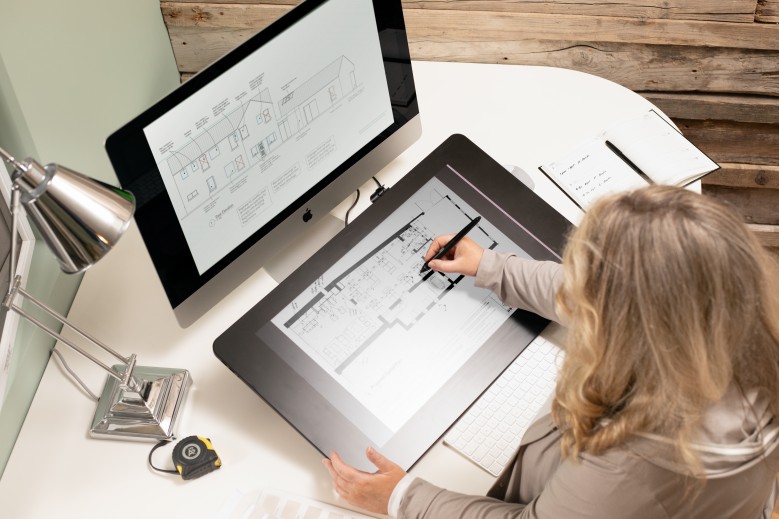
Starting an Interior Design Project: Where to Begin
Starting an interior design project rarely begins with a finished plan. More often, it starts with a sense that a space needs to work better, both functionally and visually.
Whether residential or commercial, the earliest stages of a project are where clarity is established and the overall direction begins to take shape. A considered start can influence everything that follows.
Begin With How the Space Will Be Used:
Before thinking about finishes or visual references, attention is often given to how a space will function day to day. This includes who will use it, how it will be occupied and what practical requirements need to be accommodated.
Understanding these fundamentals early allows an interior designer to respond to the brief with clarity, ensuring that design decisions are rooted in how the space will actually be lived in or used.
Define the Scope at the Outset:
Every interior design project is different. Some involve full renovations or new builds, while others require more focused design input. Establishing the scope early helps bring structure to the process and allows expectations to be aligned from the beginning.
This clarity supports more informed decision-making around timelines, levels of involvement and how the project will develop over time.
Engage Design Input Before Decisions Are Fixed:
It is often assumed that an interior designer becomes involved once plans are already in place. In practice, working with an interior designer at an earlier stage can lead to more cohesive and resolved outcomes.
Early design conversations help inform layout decisions, material considerations and the overall atmosphere of a space before changes become difficult or disruptive to implement.
Consider Materials and Longevity Early On:
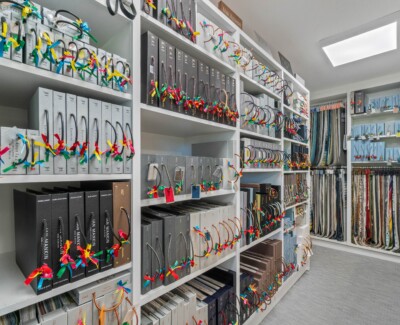
Material choices play a significant role in how a space feels and how it performs over time. While selections naturally evolve as a project develops, early consideration of durability, maintenance and longevity can help guide later decisions.
A thoughtful approach to materials ensures that aesthetic intent is balanced with practical requirements, particularly in spaces designed for long-term use.
Understanding the Interior Design Process:
While every project follows its own path, most interior design processes begin with an initial consultation to understand the brief and priorities. From there, a clear design direction is developed, ideas are refined and materials and details are resolved gradually.
Having an understanding of this process helps clients feel more confident as the project progresses and supports a collaborative working relationship built on clarity and trust.
Allow Time to Set the Direction:
The early stages of an interior design project are often the most valuable. Taking time to establish direction, ask the right questions and explore options can prevent uncertainty later on.
A considered beginning allows decisions to feel intentional rather than reactive, resulting in a more cohesive outcome overall.
Final Thought:
Knowing where to begin is often the most challenging part of an interior design project. By focusing on function, clarity and early design input, the process becomes more manageable and structured, setting a strong foundation for everything that follows.
For those considering a project, an initial consultation can help clarify next steps and set direction early on.