
Designing for commercial spaces: Galway and beyond
Designing a commercial space is very different from designing a home. While comfort and atmosphere remain important, commercial interiors also need to support the day-to-day operation of a business. Layout, circulation and durability all play a role alongside aesthetics.
At Architectural Spaces, we have worked on a wide range of commercial interior design projects across Ireland, particularly in Galway and the west. These include restaurants, cafés, hotels, bars and co-working environments. Each project requires a careful balance of creativity, practicality and attention to detail.
Every commercial project begins with understanding how the space needs to function.
Understanding how a space will be used
Before any design decisions are made, we spend time understanding the business itself. How customers move through the space, how staff operate behind the scenes and what kind of atmosphere the owners want to create are all essential considerations.
In hospitality projects especially, layout is critical. Circulation between kitchen, bar and dining areas must feel natural. Seating arrangements need to accommodate both small tables and larger groups. Lighting should transition comfortably from daytime service to evening dining.
These practical considerations form the foundation of the design.
Once the spatial planning works well, the design can begin to shape the overall experience.
Creating atmosphere and identity
A well designed commercial interior should feel distinctive while remaining comfortable and welcoming.
Material choices, lighting, colour and texture all play a role in shaping the atmosphere of a space. In restaurants and bars, warmer tones and layered lighting often help create intimacy. In workplaces and studios, a more open and contemporary approach may be better suited to collaboration and flexibility.
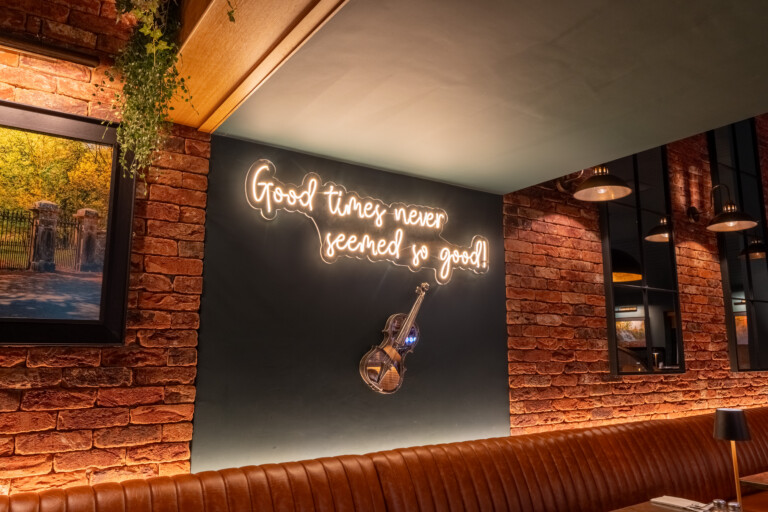
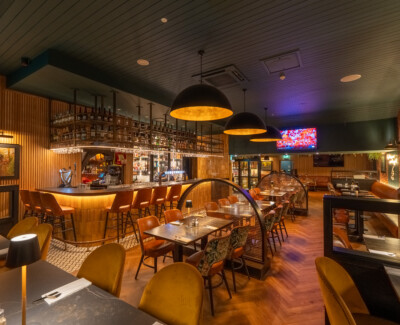
In The Earl Inn in Galway, the project focused on reconfiguring the existing layout and introducing warmer materials and lighting to create a more comfortable environment for both dining and evening service. Bespoke joinery, carefully considered seating and improved circulation helped bring the space together.
Small details such as lighting placement, material junctions and joinery design often have the biggest impact.
Adapting existing buildings
Many commercial interior design projects involve working within existing buildings rather than starting from scratch. Older structures often bring character and history, but they also require thoughtful adaptation.
The transformation of Creative Spark in Dundalk is a good example. This project involved converting a long-vacant building into a modern co-working hub. The design needed to respect the building’s structure while creating a contemporary environment suited to entrepreneurs, remote workers and creative businesses.
Careful spatial planning helped maximise natural light and introduce flexible workspaces that could evolve with the needs of the community.
Projects like these show how thoughtful design can give new life to existing buildings.

Designing for hospitality spaces
Hospitality design requires a particularly careful balance between aesthetics and practicality.
Restaurants and cafés must feel welcoming and comfortable for guests, while also allowing staff to work efficiently during busy service periods. Lighting, acoustics, seating layout and material selection all contribute to how the space performs throughout the day.
At Truffles Chocolatier in Galway, the aim was to create a distinctive identity within a relatively compact space. Attention to detail in joinery, lighting and display areas helped shape the atmosphere while ensuring the shop worked effectively for staff and customers.
Every design decision contributes to the overall experience.

Balancing design and durability
Commercial interiors need to withstand constant daily use.
Materials must be durable, finishes should age well and furniture needs to perform in high traffic environments. Experience plays a key role in selecting materials that will look good while also standing up to long term use.
Choosing finishes that combine durability with warmth and character is often one of the most important parts of the design process.
A collaborative design process
Successful commercial projects rely on close collaboration between designers, clients, contractors and suppliers.
From early planning stages through to installation and finishing details, clear communication helps ensure the project develops smoothly. This collaborative approach allows the design to evolve while remaining aligned with the client’s vision and operational needs.
One of the most rewarding aspects of commercial design is seeing a space come to life once it opens. When customers begin to use the space and staff settle into their routines, the design starts to fulfil its purpose.
Commercial interior design across Galway and Ireland
Architectural Spaces has completed commercial interior design projects across Galway and throughout Ireland, including hospitality spaces, restaurants, hotels and workplaces.
Each project presents different challenges, but the goal remains consistent. We aim to create environments that function well, feel welcoming and support the businesses that operate within them.
Thoughtful commercial design helps shape the spaces where people meet, work, dine and gather. As towns and cities continue to evolve, carefully considered interiors will remain an important part of creating places people enjoy spending time in.